

Latest
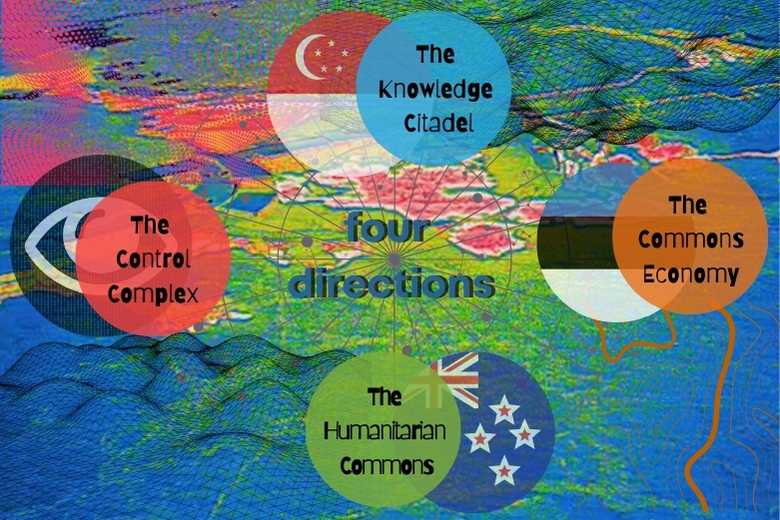
Future Trajectories: Navigating the Commons Economy in South Africa
The Commons Economy is a vision of society that prioritizes individual freedom, data sovereignty and ecological stewardship. Here, communities thrive in a network of decentralized systems where technology is used to empower, not exploit. Governance is shared, privacy is protected and resources are allocated to support collective well-being.

Another Ten Ideas too Dangerous to Share: Patterns, Paradoxes and the Path Forward
In this follow-up, we delve deeper into another ten transformative ideas that threaten to upend the status quo. From questioning the morality of AI-driven warfare to envisioning decentralized alternatives to economic growth, these ideas reveal the fault lines of our time.
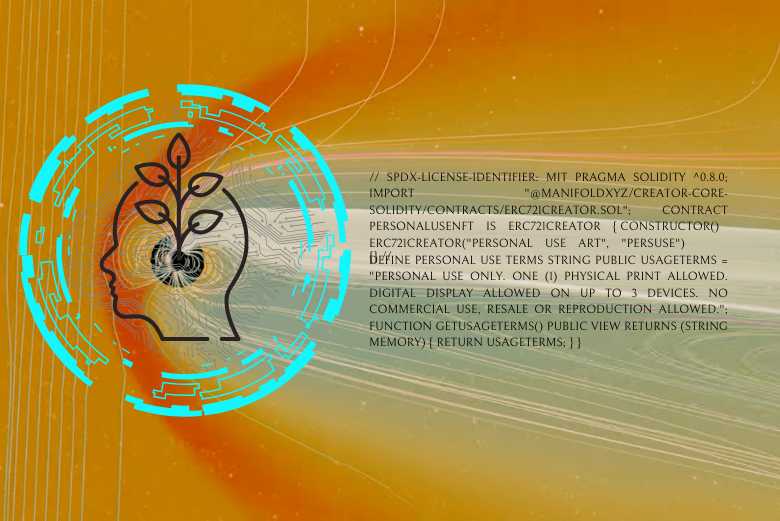
Maximizing Revenue and Reach: A Guide to Digital Art Licensing using NFT Smart Contracts
The diverse licensing options available in the digital art and NFT space present both opportunities and challenges for artists. By strategically choosing between personal use, commercial use and IP rights licenses, artists can enhance the value of their work, reach new markets, and create more dynamic engagement with their collectors.



More Articles
Who bought Beeple’s NFT artwork “Everydays” ($69.3m)?

The Corruption of Academia: How Highly Educated Professionals Fail Society

Beeple and the NFT “Everydays: The First 5000 Days”