

Latest
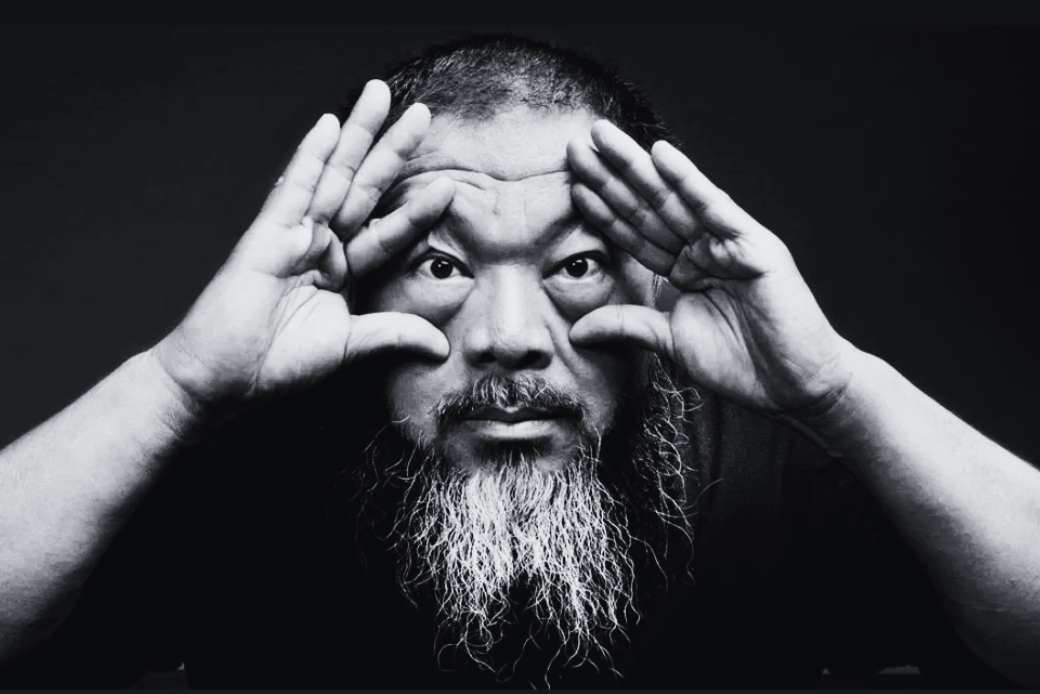
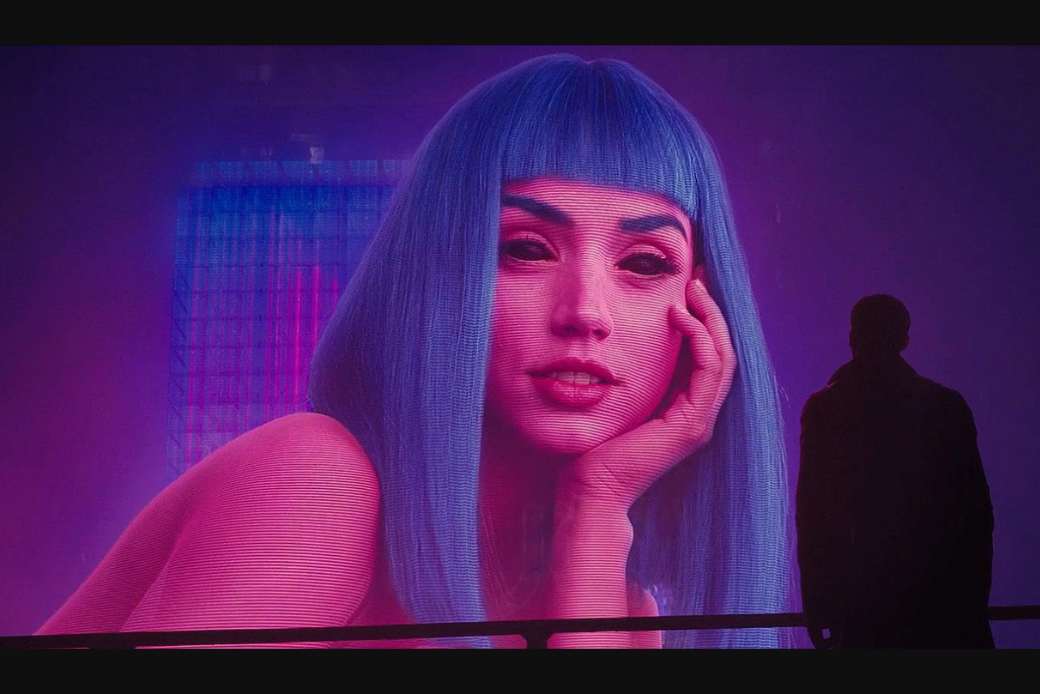
Re-enchanting the Human in the Age of AI: 5 Irreplaceable Human Beings
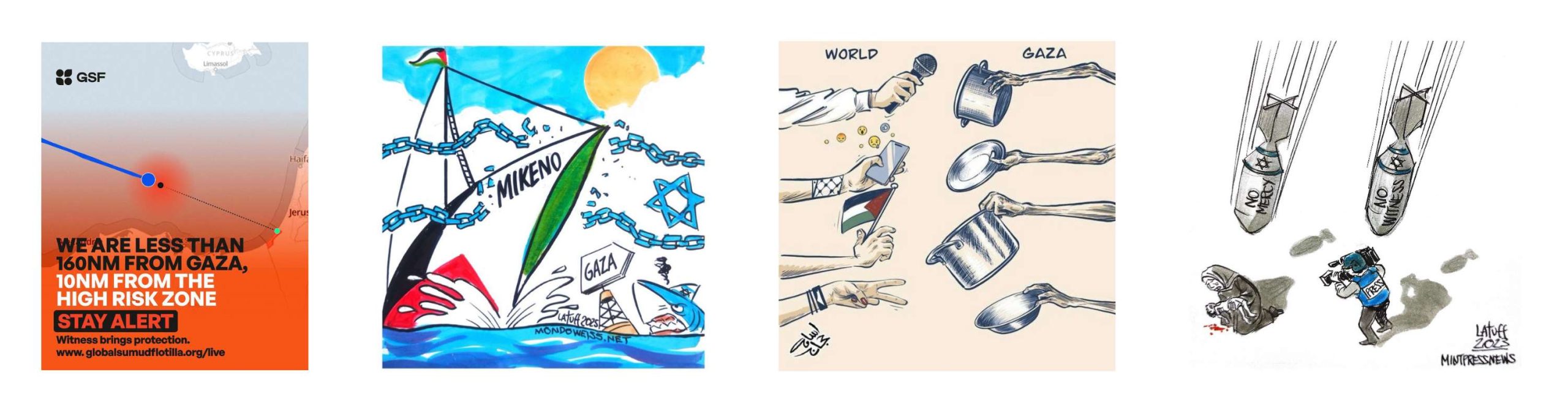
What AI can simulate, these humans embody: fragility, risk, truth, and sacred meaning.
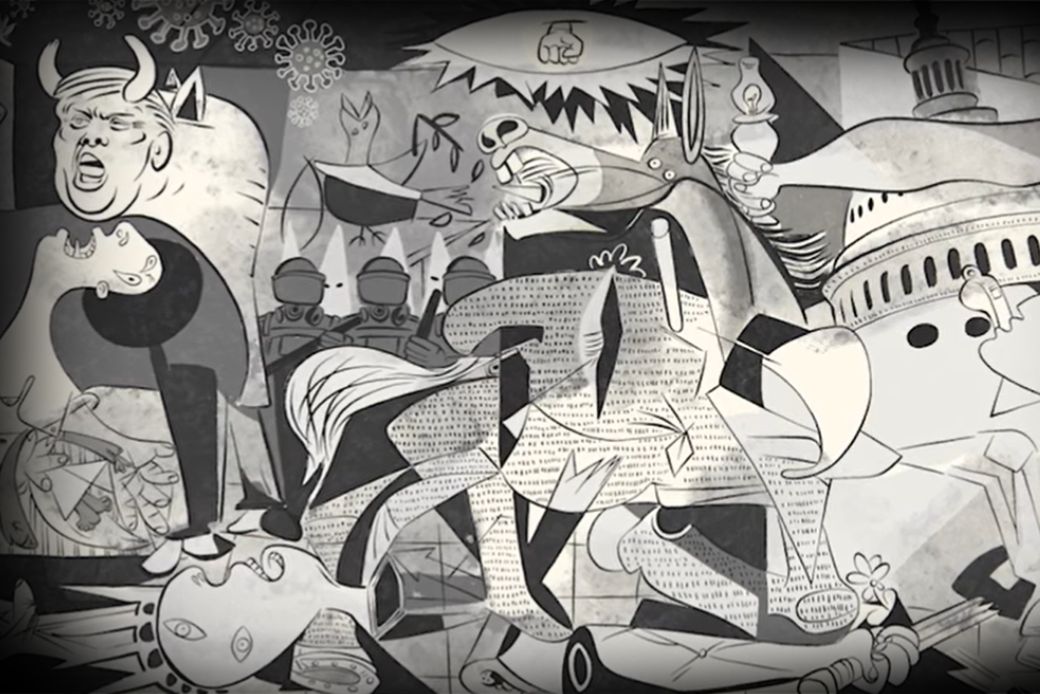
Designing a Regenerative Cultural Economy
“When values-aligned actors begin to acquire digital works from the Art Stoke Commons ecosystem, they don’t just support individual artists – they validate a new logic of cultural production. Each successful Hive becomes a proof-of-concept. Each replication, a new node in a growing network of islands of coherence. If it works in South Africa where the wounds of inequality and…
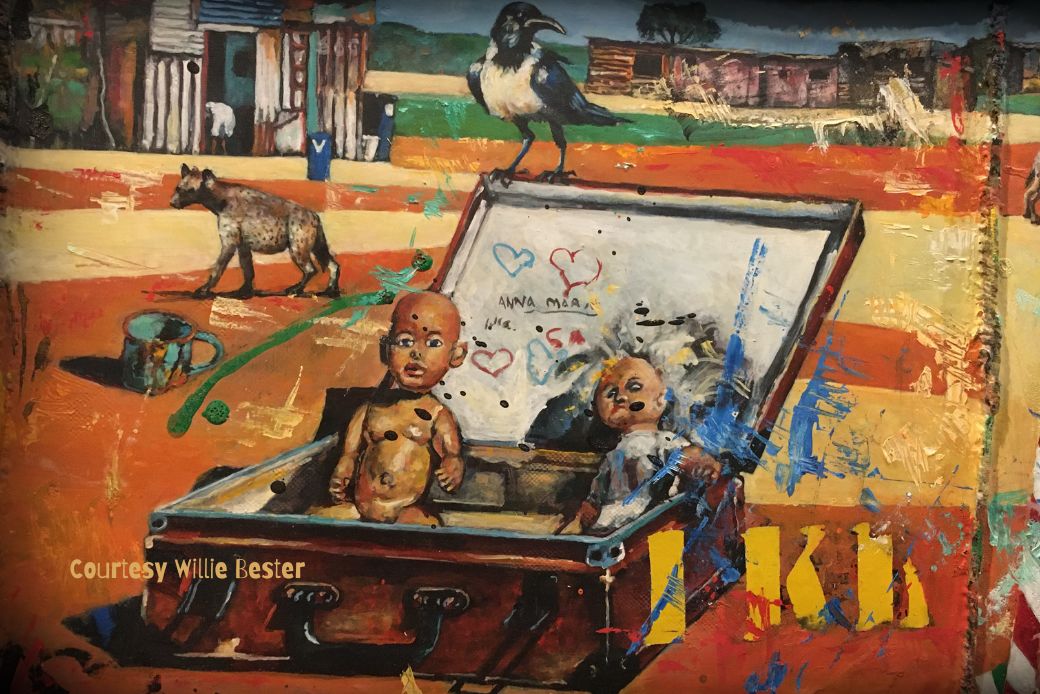
Why South African Digital Art Needs Its Own Space
“In a country where the need to rewrite the past is still urgent, digital art should not be reduced to tokenized pixels. It should be part of a national cultural ecosystem that allows truth, disruption, and ordinary complexity to emerge.”


More Articles
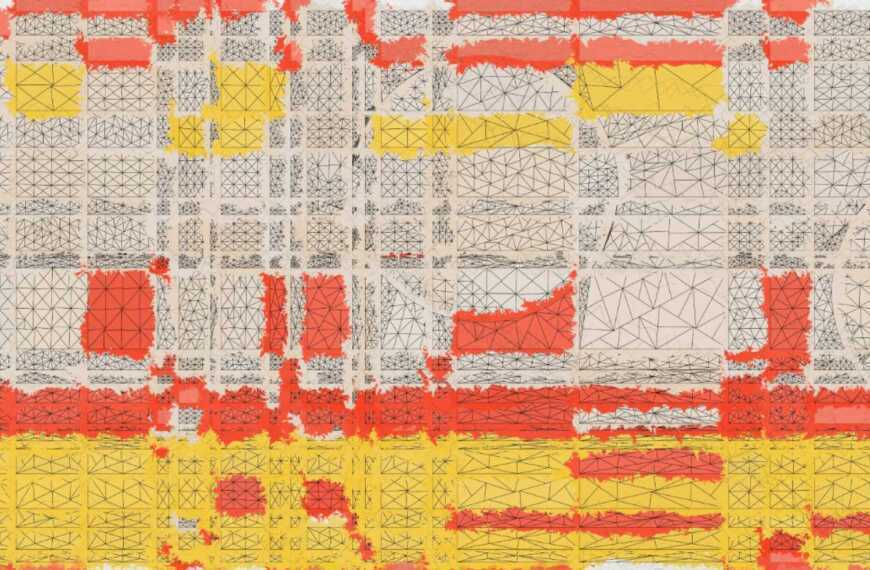
Generative Art, On and Off the Blockchain
Generative blockchain art often engages a new audience of collectors who are interested in owning unique digital items with verifiable scarcity. The NFT ecosystem fosters a sense of community among artists, collectors, and enthusiasts, with interactions often taking place on social media and blockchain platforms.
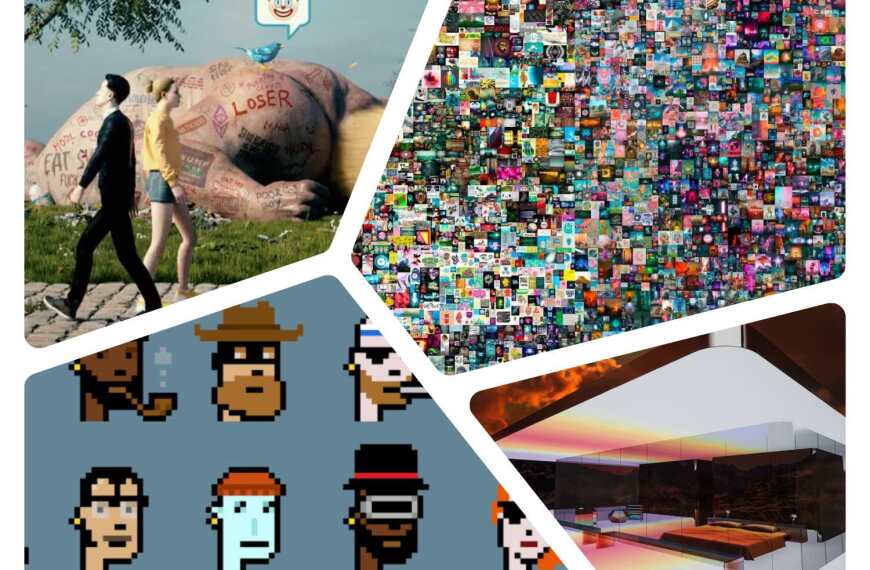
Some of the best known NFTs
These examples showcase the diverse possibilities and creative potential of NFTs. They have also proven the appetite for unique, scarce, and innovative digital artworks among collectors and investors. As the NFT space continues to evolve, we can expect to see more innovation that pushes the boundaries of traditional art.

Composting the Bypass: Entanglement, Grief, and the Pitfalls of Post-Anthropocentric Movements
Are some post-anthropocentric movements — from mycelial networks to rhizomatic thinking, biomimicry to planetary intelligence — bypassing cultural healing by retreating into nature metaphors?