
The Crisis Is Not a Lack of Imagination — It Is a Crisis of Power
We do not live in a world that lacks moral clarity, public outrage, or viable alternatives.
For over two years, a global majority of civilians has protested Israel’s genocide of Palestinians in Gaza. International humanitarian agencies have been unequivocal. The International Court of Justice has ruled that Israel is plausibly committing genocide. The evidence is overwhelming; the demands are clear; the solutions — ceasefire, accountability, boycotts, sanctions, protection of civilians — are neither novel nor technically difficult.
And yet the violence continues.
This alone should disqualify any serious analysis that locates our present crisis in a lack of ideas, solutions, or imagination. The problem is not that humanity cannot imagine justice. The problem is that justice has no binding force when it threatens the interests of global capital and geopolitical power.
What we are witnessing is not failure of vision, but the durability of impunity.
Capitalism as a System of Selective Non-Response
The continuation of mass civilian death in Gaza exposes a structural truth that many prefer to obscure: the current global order is designed to absorb protest without yielding power.
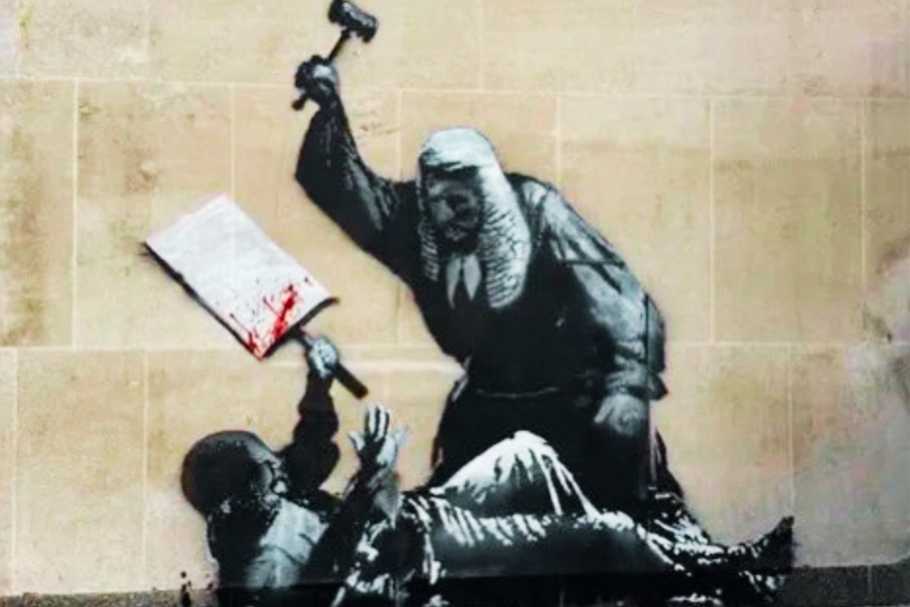
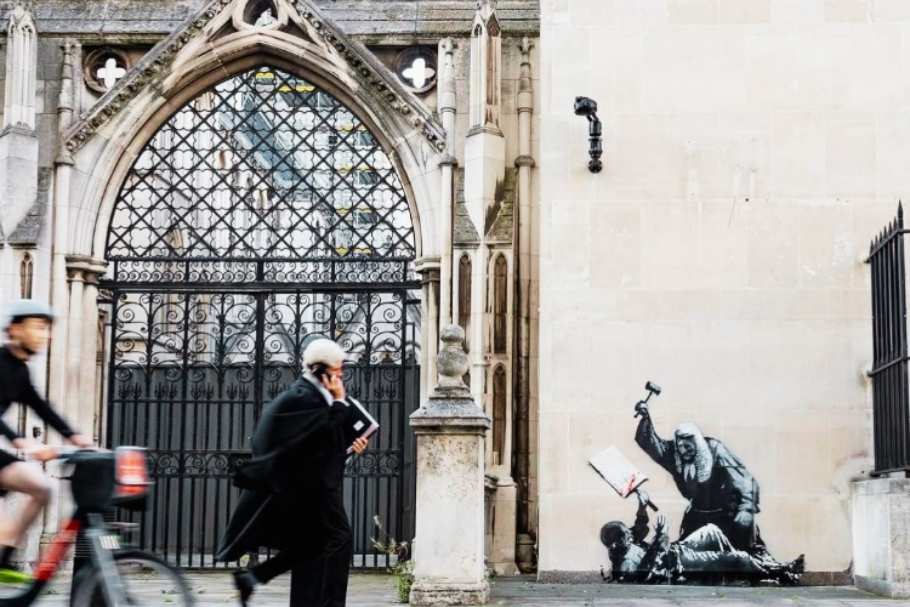
Capitalism does not merely constrain change; it organises which forms of suffering matter, which legal rulings are enforced, and which crimes are indefinitely deferred. It functions as a selective enforcement regime, shielding actors embedded in military, financial, and diplomatic infrastructures from consequence.
In this sense, global capitalism operates less like a market and more like a jurisdictional technology — one that determines where law applies and where it does not.
This is why mass protest can coexist with mass death, legal rulings can be acknowledged yet ignored, and humanitarian consensus can be rendered politically inert.
The system does not lack solutions.
It is structured to prevent certain solutions from ever becoming possible or compulsory.
Why Imagination Still Matters — But Only If We Treat It as Political
To acknowledge this is not to abandon imagination; it is to rescue it from naïveté.
Imagination under permission infrastructures is not a neutral or free-floating human capacity. It is produced, disciplined, and constrained by attention ecologies — the media systems, funding architectures, institutional norms, and temporal regimes that determine what can be sustained, scaled, or sanctioned.
Under contemporary capitalism, imagination is not absent; it is actively managed.
Anti-genocidal futures, decolonial orders, post-capitalist institutions, and non-extractive global relations are not unimaginable. They are defunded, delegitimised, framed as unrealistic, or postponed indefinitely in the name of “complexity.”
The crisis, therefore, is not that we cannot imagine otherwise.
It is that imagined alternatives are systematically prevented from becoming institutionally binding.
This is where imagination becomes political — not as inspiration, but as a site of struggle.
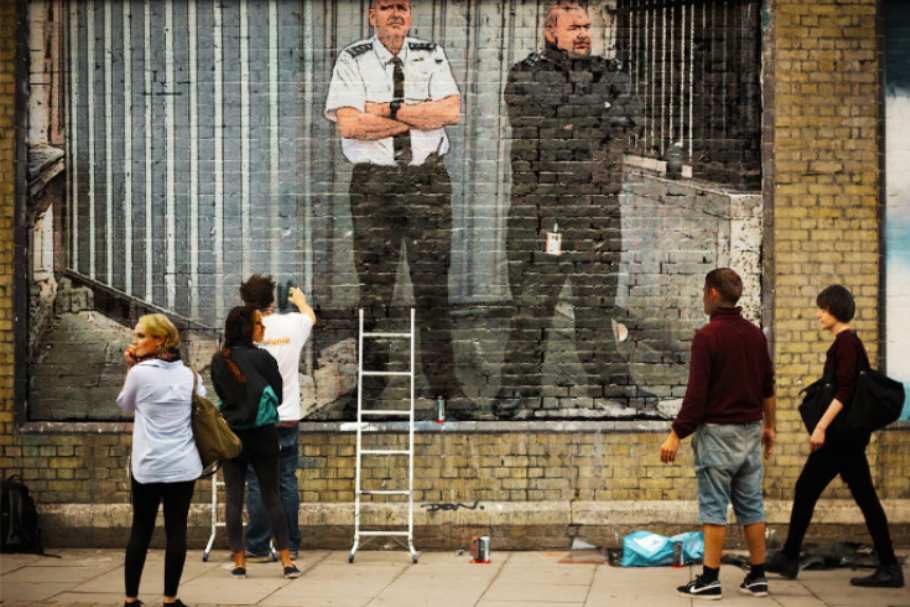
From Imagining Futures to Building Counter-Permission Infrastructures
If the dominant global order is defined by impunity, then the work of imagining new futures cannot be separated from the work of building counter-permission institutions — spaces capable of holding attention, sustaining solidarity, and protecting long-duration thinking from capture.
The task is not to design ideal futures in abstraction, but to:
- cultivate attention regimes that resist spectacle and erasure,
- create imaginative commons that are not immediately extractable,
- prototype institutions oriented toward life rather than capital,
- and preserve futures that power is actively attempting to destroy.
In this context, imagination is not optimism. It is refusal under conditions of domination.
Counter-Permission Infrastructures as the Work of Our Time
If the defining condition of the present is not confusion but impunity, then the task of imagining new futures cannot be separated from the task of withdrawing permission from the systems that normalise mass death, ecological collapse, and institutional failure.
The problem we face is not that just futures are unthinkable. It is that the global order is structured to ensure that certain futures — those that threaten capital, military dominance, and extractive accumulation — are never allowed to become binding. Imagination is tolerated only insofar as it remains symbolic, aesthetic, or safely deferred.
To imagine otherwise, under these conditions, is therefore not an act of creativity alone. It is an act of institutional disobedience.
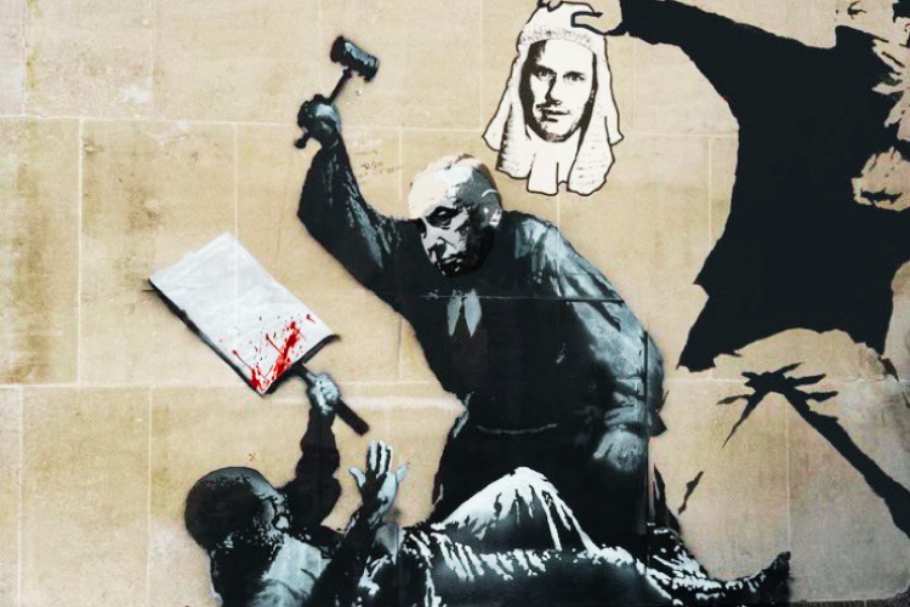
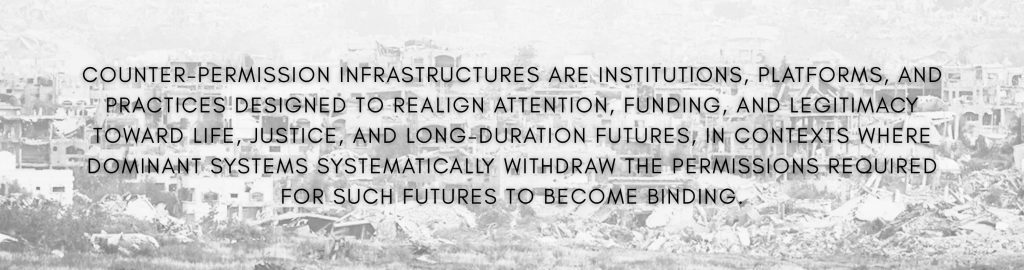
This is where the concept of counter-permission infrastructures becomes decisive. These are not “future labs” or innovation hubs designed to feed the existing system with novelty. They are infrastructures that refuse the dominant terms under which imagination is permitted to circulate. They re-route attention, legitimacy, and care away from extractive regimes and toward the work of sustaining life, justice, and long-duration futures.
Counter-permission infrastructures operate by:
- denying the monopoly of capital over what counts as realistic,
- protecting attention from capture by spectacle and urgency,
- legitimising forms of knowledge and solidarity that dominant institutions treat as peripheral or dangerous,
- and holding open futures that power actively attempts to foreclose.
Their value lies not in scale or visibility, but in durability. They create spaces where imagination can persist without immediately being translated into productivity, branding, or compliance.
In this sense, imagination is no longer about envisioning better worlds in the abstract. It becomes a form of collective maintenance — the slow, often invisible labour of keeping alternative futures alive when the present is organised against them.
The future needs to be shaped by those who build institutions capable of refusing permission, sustaining attention, and remaining accountable to life rather than capital. Under conditions of impunity, this is what imagination is for.